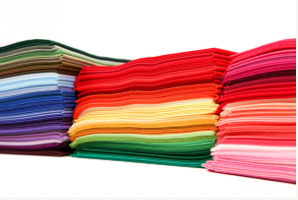
The beauty of a material
When I worked with clay, the material itself was always an integral part of the creative process. Its texture, weight and response to the movements of my hands influenced the form I could give it. I have discovered something similar in the study of clothing.
We often fall in love with the colour or design of a garment before considering the fabric from which it is made. Yet the material determines so much of the relationship between the garment and the body: how it falls, how it holds its shape, how it moves and how it feels against the skin.
I have a particular affection for natural fibres. Wool, linen, silk and cotton offer an extraordinary variety of textures and possibilities. But knowing the fibre content of a garment is only a beginning. The yarn, weave or knit, weight, finish and construction are just as important in understanding the way a fabric behaves.
Wool: warmth, texture and structure
From a fine merino jumper to a substantial knitted cardigan or a beautifully tailored wool coat, the same natural fibre can give rise to remarkably different garments. Wool's insulating qualities make it a particularly useful material in cooler weather, while lighter constructions can lend themselves to more temperate conditions.
In terms of style, consider the volume and texture of the fabric. A substantial knit can introduce softness and sculptural volume to a relatively straight silhouette. Where a closer relationship with the natural curves of the body is desired, a finer knit or a softer woven fabric may be more appropriate.
When choosing knitwear, pay attention to the shoulder seams, sleeve width, neckline and hem. A thick jumper that finishes at a particular point on the hips or waist creates a different silhouette from a finer one worn beneath a jacket. Layering light pieces can provide warmth with a different distribution of volume.
Care is part of the pleasure of owning wool. Follow the garment's care instructions, air it between wears when appropriate, and fold heavier knitwear rather than leaving it to stretch on a hanger.
Linen: natural texture and summer ease
Made from flax, linen is a material I particularly appreciate for its texture, absorbency and fresh feel in warmer weather. Its characteristic creasing can contribute to a relaxed elegance, especially when the garment is chosen with that quality in mind.
A crisp linen shirt or straight-cut jacket may create a clean, architectural line. A softer linen weave or a garment with a more fluid construction may accompany the curves of the body more closely. If a woven fabric is cut on the bias, diagonally to its grain, the direction of the cut can also influence how it drapes.
Rather than rejecting linen because it is often perceived as stiff, explore its different forms. Compare a structured linen jacket with a gently shaped blouse or a flowing skirt. Observe the weight of the material, the way it falls and whether the garment allows you to move comfortably.
Silk: fluidity, light and refinement
Silk can be wonderfully delicate or surprisingly architectural. The familiar sheen of a silk satin is quite different from the matte texture of a silk crêpe or the more pronounced structure of certain silk taffetas.
The weight of silk fabric is often described in momme. This is a useful indication of the quantity of material in a given area, but it does not tell us everything about the way a fabric will hang. Weave, construction and finish also influence its stiffness and drape.
A fluid silk crêpe can follow the movement of curved body lines with grace. A more structured silk may suit a garment intended to create a crisp or sculptural silhouette. A lustrous satin reflects light differently from a matte fabric, so it is worth observing its appearance in daylight and considering the fit at seams and across the body.
When choosing silk, I pay particular attention to how the garment feels in motion, how easily it will combine with other pieces, and whether its care requirements are realistic for the life it will accompany.
Cotton: an extraordinary range of possibilities
It is easy to associate cotton with everyday simplicity, but the variety of fabrics made from this fibre is remarkable. A crisp cotton poplin, a fine voile, a soft jersey and a substantial denim can create very different silhouettes.
A tightly woven poplin shirt may hold its shape and beautifully echo straighter lines. A soft cotton jersey, with its knitted construction, may accommodate movement more easily and follow the body in a different way. A small proportion of elastane can add stretch when that quality is useful for the design.
Try comparing two cotton shirts with different cuts and fabric weights. One may sit away from the body, creating a clean outline, while the other may drape more gently. It is not the label alone that tells us which garment will be more harmonious with our proportions.
Five things to observe when choosing a garment
Weight. Does the fabric have the substance or lightness that suits the intended silhouette?
Drape. Does it fall freely, follow the natural lines of the body or hold a more structured shape?
Texture and finish. Does its surface, sheen and visual scale harmonise with your features and your preferred style?
Construction. Do the seams, lining, cut and ease allow the fabric to perform as intended? Can the garment move comfortably with you?
Purpose and care. Does the material suit your climate, activities and the occasions for which you will wear it? Will you be able to care for it and enjoy wearing it regularly?
These questions are more useful than a rigid rule about which fibre a particular body shape should wear. They encourage us to look at the garment as a whole and to consider its relationship with the individual.
Choose with care, and care for what you choose
My affection for natural materials does not mean that every natural-fibre garment is automatically a better choice. Quality, durability, the conditions in which a textile is produced, its suitability for our needs and the way we care for it all deserve consideration. A well-chosen blend may be entirely appropriate for a particular purpose.
Before purchasing a new garment, take a closer look at the pieces you already own. Can a simple alteration restore the harmony of a favourite jacket? Could a repaired knit or a new combination of familiar pieces bring renewed pleasure to your wardrobe?
During Reveal Style, we explore how materials, lines, proportions and details work with your natural characteristics. A Relax wardrobe consultation can help you bring that understanding into the clothes you already own.
Learning to recognise and appreciate the qualities of a fabric can change the way we dress and the way we shop. It invites us to pay attention not only to the beauty of a garment, but to the material, craftsmanship and care that make it possible for us to enjoy it over time.
Further reading: The Textile Museum, fibre guide; Woolmark, caring for wool; CottonWorks, fabric library. Related article: Understanding Your Body Shape.