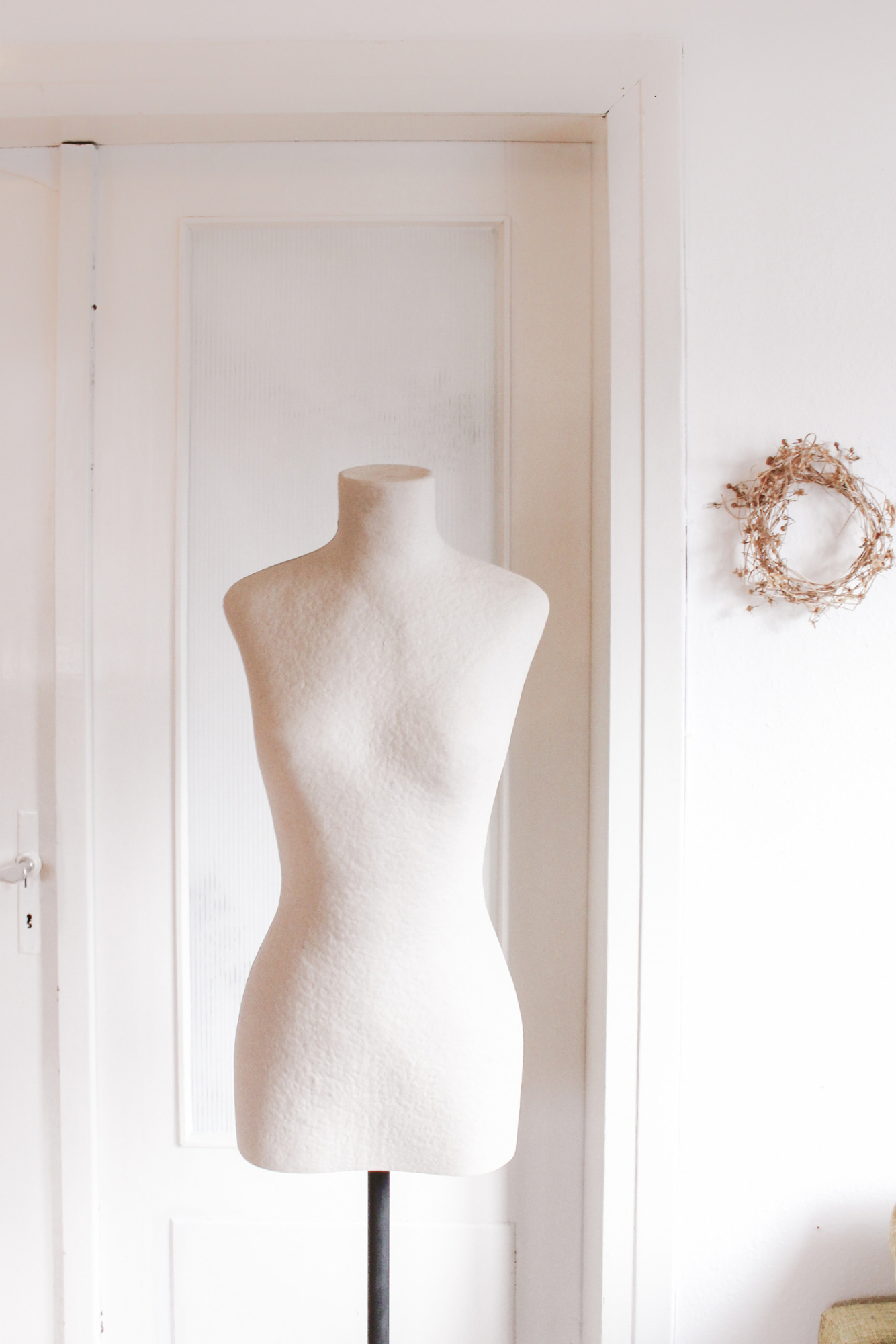
A lesson from shape and material
Imagine wrapping a beautifully curved ceramic vase in a sheet of thick, luxurious paper. The paper may stand away from its curves, creating angular folds and an outline quite different from that of the vase itself. Now imagine wrapping the same vessel in a much softer tissue paper. The paper follows its shape more closely, revealing the harmony of its curves.
Neither material is inherently more beautiful than the other. What matters is the relationship between the form and the material, and the effect we wish to achieve.
Having worked with clay for many years, I have learned to pay particular attention to this relationship. In ceramics, the proportions of a vessel, the thickness of its walls, the curve of its sides and the texture of its surface all contribute to its character. I find a similar fascination in observing the way a beautifully constructed garment relates to the human form.
What does understanding your body shape mean?
In personal styling, familiar descriptions such as rectangle, triangle, inverted triangle, hourglass and oval can help us recognise the principal lines of a silhouette. We look, for example, at the relationship between the shoulders, waist and hips, and at the presence of straighter or more curved lines.
These descriptions are useful starting points rather than complete definitions. Two people with a similar body shape may have very different proportions, heights, facial features or degrees of visual scale. A person may also combine characteristics from more than one body-shape category.
Understanding these nuances is far more interesting than simply assigning a label. It enables us to discover what is distinctive about each person and to choose clothing with greater precision.
The dialogue between fabric and silhouette
A softly constructed jacket may follow the curves of a defined waist more naturally than a rigid jacket cut in a straight line. A crisp, structured fabric may beautifully echo straighter body lines, or introduce a more sculptural silhouette when that is the desired effect.
However, fabric alone does not determine whether a garment will suit you. The position of its seams, the direction of the cut, the distribution of volume and the amount of ease allowed for movement are equally worth considering.
When trying on a jacket, for example, observe how it sits across the shoulders, how its seams relate to your waist and where the hem finishes. Does the garment move comfortably with you? Does its shape create the effect you intended? Sometimes a small alteration can make a surprisingly meaningful difference.
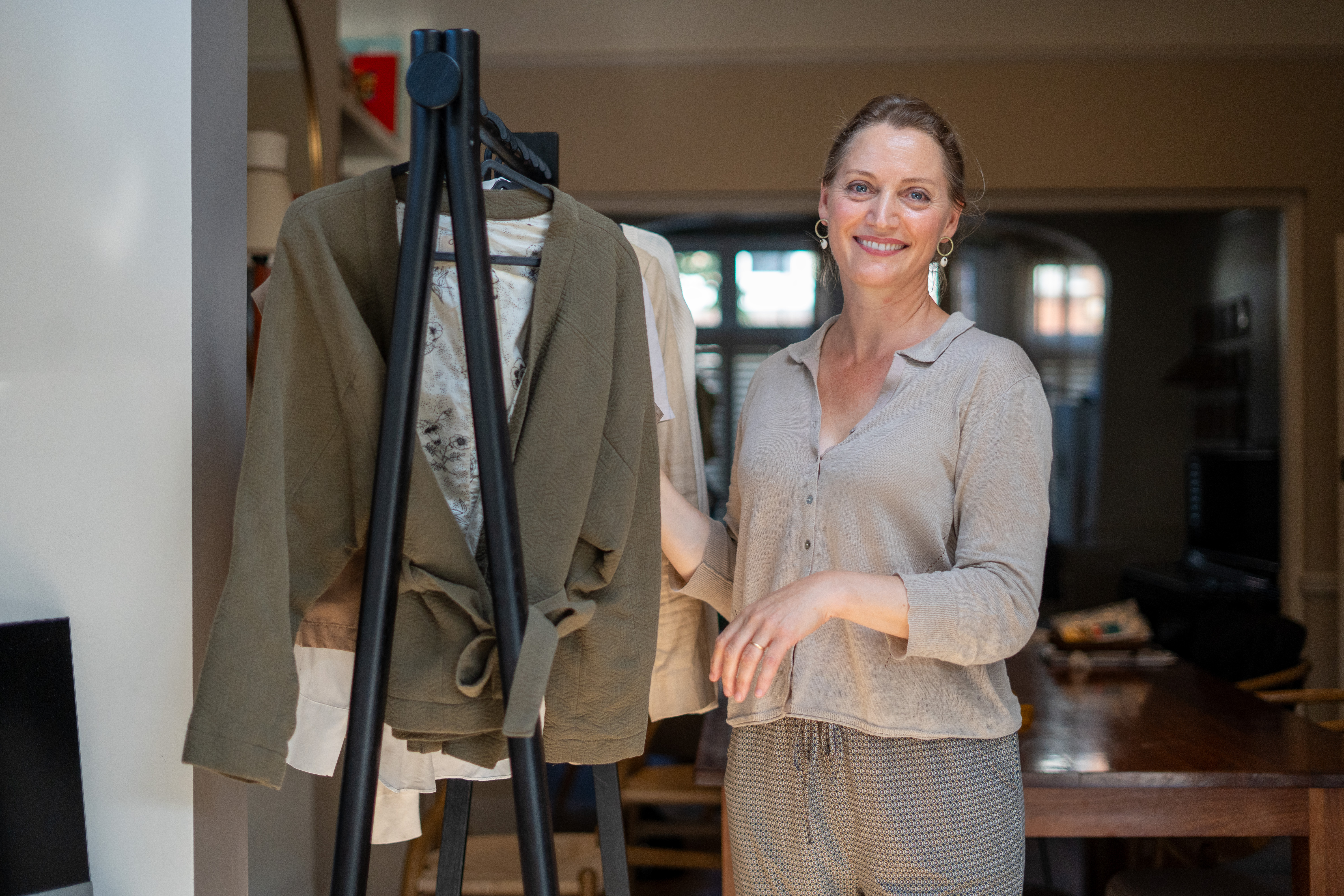
Look at the whole person: proportion, scale and movement
The relationship between the upper and lower body can help us choose the lengths of jackets, skirts and trousers. The length of the neck, the shape of the face and the lines of the shoulders can inform our choice of necklines and accessories. Visual scale can help us consider the size of patterns, details, jewellery and bags in relation to our features.
It is also important to remember that we do not live as static silhouettes. We walk, sit, work, dance, bend and embrace. A garment that appears harmonious in front of a mirror must also be able to accompany the movements of our everyday life.
Our preferences matter just as much. A beautifully fitted garment may not suit the context in which we need to wear it, or may simply feel unlike us. Technical knowledge becomes truly useful when we combine it with an understanding of our character, tastes and circumstances.
Harmony, rather than correction
I do not believe that the purpose of a style analysis is to make every body resemble an ideal silhouette. We can use the visual effects of line, colour and proportion intentionally, but that is quite different from suggesting that our natural characteristics are defects to conceal.
During Reveal Style, we explore your body lines, proportions, scale, facial features and style personality. I invite you to bring pieces from your own wardrobe so that we can observe together how different garments, lengths, fabrics and details work in practice.
My wish is that you leave with a clearer understanding of why certain choices bring harmony to your appearance, and with greater freedom to recognise those possibilities for yourself.
It is the garment that should adapt to the person, not the person who should have to adapt to the garment.
Related reading: Know Your Style Personality; Fabric and Fit; Becoming more fully myself.